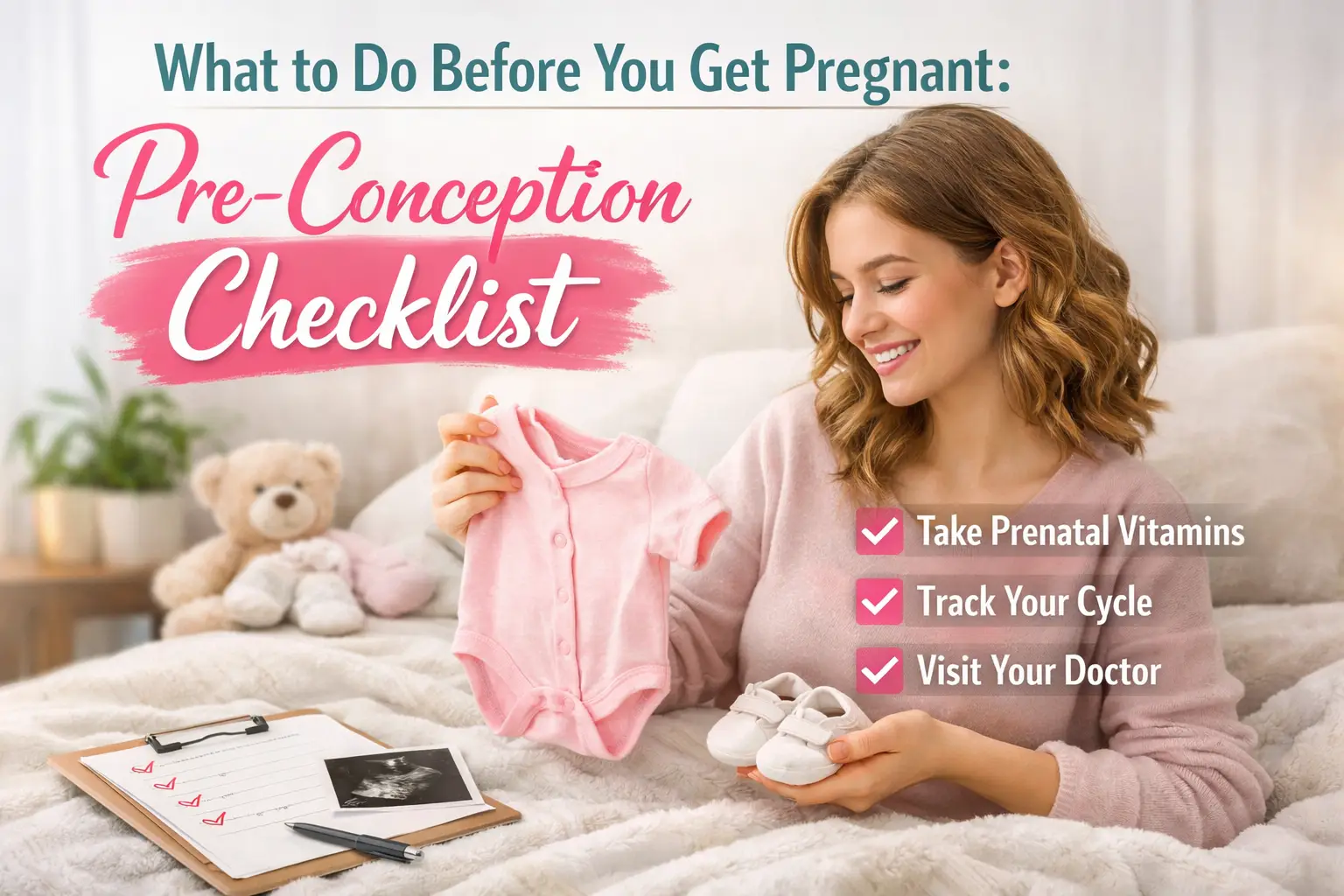
What to Do Before You Get Pregnant: Pre-Conception Checklist
Preparing for pregnancy is one of the most empowering things you can do for yourself and your future baby. Whether it’s your first time or you’ve been through this journey before, knowing what to do before you get pregnant gives you the confidence and clarity to create the healthiest possible start.
This comprehensive pre-conception checklist will walk you through everything you need to do from nutrition and mental wellness to medical checkups and partner planning so you can enter motherhood feeling ready, supported, and informed.
Whether you’re hoping to conceive next month or next year, this pre-conception checklist will guide you through every important step before pregnancy.
Why Pre-Conception Planning Matters?
Before pregnancy even begins, your body and mind play a major role in determining fertility, conception success, and overall health. Pre-conception planning is more than just checking a few boxes, it’s about laying the groundwork for a smoother, healthier pregnancy journey.
Here’s why it matters:
- Improved Fertility Health: Balanced hormones, a nutritious diet, and regular cycles increase your chances of conception.
- Reduced Risk of Complications: Preparing early helps lower the risk of gestational diabetes, preeclampsia, and birth defects.
- Better Mental Readiness: You’ll enter pregnancy with more confidence, emotional stability, and peace of mind.
When to Start Preparing: Ideally, begin 3–6 months before trying to conceive. This gives your body time to adjust to new habits, supplements, and health routines.
Pre-Conception Checklist
1. Schedule a Pre-Pregnancy Checkup
Before you start trying for a baby, one of the most valuable steps is booking a pre-pregnancy checkup with your doctor or OB-GYN. This visit helps ensure your body is ready for a healthy pregnancy and gives you the opportunity to identify and address any potential issues early.
During your appointment, your provider will review:
- Your medical history: Any chronic conditions like diabetes, thyroid imbalance, or hypertension should be managed before conception.
- Current medications: Some prescriptions and over-the-counter drugs can affect fertility or early pregnancy.
- Vaccinations: Make sure you’re up to date on key vaccines like rubella, hepatitis, and varicella.
- Family medical history: If there are hereditary conditions in your family, your doctor may suggest genetic testing or counseling.
Pro Tip: Bring a list of all the supplements and medications you’re taking, even vitamins and herbal remedies, so your provider can confirm what’s safe for pre-conception.
2. Start Prenatal Vitamins & Folic Acid Early
You don’t have to wait until you’re pregnant to start prenatal vitamins. In fact, experts recommend beginning folic acid supplements (400–800 mcg daily) at least three months before conception. Folic acid is crucial for preventing neural tube defects and supporting early brain and spinal development in your future baby.
Look for a prenatal vitamin that includes:
- Iron: Prevents anemia and supports oxygen flow to reproductive organs.
- Vitamin D: Aids calcium absorption and hormone balance.
- DHA (Omega-3): Promotes fetal brain and eye development.
Pro Tip: Set a reminder on your phone so you never miss your daily supplement. Consistency is key for building nutrient stores in your body before pregnancy.
3. Maintain a Healthy Diet
Nutrition plays a huge role in preparing your body for conception. Focus on fertility-boosting foods rich in antioxidants, fiber, vitamins, and minerals. A balanced diet not only supports ovulation but also improves egg quality and hormonal balance.
Include these nutrient-rich choices in your daily meals:
- Leafy greens, berries, and whole grains for antioxidants and folate.
- Lean proteins like chicken, eggs, lentils, and beans for muscle and tissue development.
- Healthy fats from avocados, nuts, olive oil, and fatty fish for hormone production.
- Plenty of water aim for 8–10 glasses daily to stay hydrated and aid cellular health.
Pro Tip: Cut back on processed foods, refined carbs, and excess sugar. These can spike blood sugar levels and disrupt hormonal balance, making conception more difficult.
4. Reach a Healthy Weight
Body weight and fertility are closely connected. Being underweight or overweight can interfere with ovulation and hormone levels, affecting your chances of conception. Aiming for a healthy BMI between 18.5 and 24.9 can improve both fertility and pregnancy outcomes.
Focus on gradual, sustainable lifestyle changes:
- Add low-impact workouts like yoga, swimming, or brisk walking.
- Include a mix of strength and cardio for overall endurance.
- Avoid crash diets aim for steady, mindful eating instead.
Pro Tip: Track your progress over time, not just on the scale. Consistency in movement and nourishment matters more than quick results.
5. Quit Smoking, Alcohol & Limit Caffeine
If you smoke or drink alcohol, now is the perfect time to quit. Both habits can reduce fertility, damage reproductive cells, and increase the risk of miscarriage or birth defects. Similarly, excessive caffeine intake can interfere with ovulation and increase stress hormones.
To prepare your body:
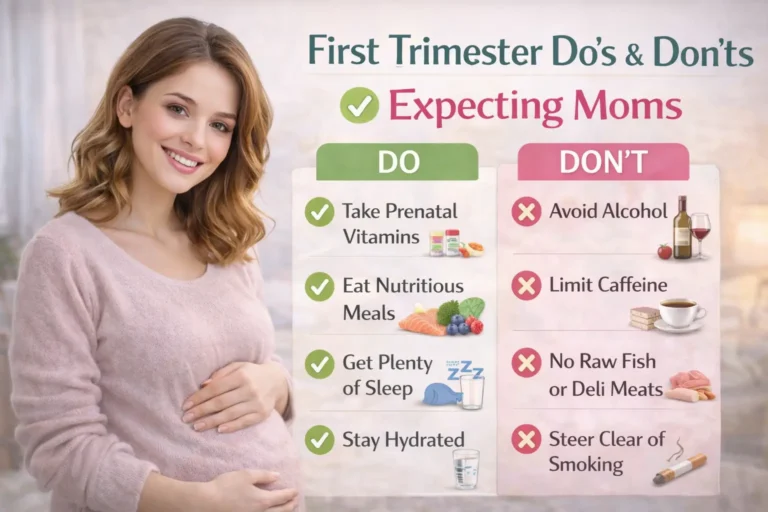
- Eliminate smoking completely. Even secondhand smoke can impact fertility.
- Avoid alcohol while trying to conceive and during pregnancy.
- Limit caffeine to under 200 mg per day (around one 12-ounce cup of coffee).
Pro Tip: Start your detox gradually. Replace coffee with herbal teas or decaf options, and seek support groups or apps if you need help quitting smoking or drinking.
6. Manage Stress & Sleep Well
Your emotional well-being plays a direct role in fertility. Chronic stress can disrupt hormonal balance and ovulation, while poor sleep weakens your immune system and overall health.
Incorporate relaxation and self-care into your daily routine:
- Practice meditation or deep breathing to reduce anxiety.
- Journal your emotions to release worries and stay positive.
- Prioritize 7–8 hours of quality sleep each night to maintain hormonal stability.
Pro Tip: Remember, fertility thrives when your mind and body are in harmony. A calm, rested you increases the chances of a healthy conception journey.
7. Track Your Cycle & Ovulation
Understanding your menstrual cycle is one of the smartest ways to increase your chances of conception. Knowing when you ovulate helps you time intercourse during your fertile window, which is usually 5 days before and the day of ovulation.
You can track ovulation using:
- Ovulation prediction kits (OPKs) to detect hormonal changes.
- Fertility-tracking apps like Flo, Clue, or Ovia.
- Basal body temperature (BBT) charting to spot patterns.
Pro Tip: Track for at least 2–3 cycles before trying. You’ll gain valuable insights into your cycle regularity and fertility patterns.
8. Review Finances & Insurance
A new baby brings immense joy and new financial responsibilities. Preparing early helps you feel secure and reduces stress later.
Review and plan:
- Health insurance coverage for prenatal, maternity, and newborn care.
- Budget for baby essentials such as nursery items, clothes, and medical visits.
- Emergency savings to handle unexpected expenses.
Pro Tip: Start a dedicated “baby fund” today. Even small monthly contributions can add up, giving you peace of mind when the time comes.
9. Prepare Emotionally & Communicate With Your Partner
Preparing for pregnancy isn’t just physical, it’s emotional and relational, too. Building a solid foundation with your partner helps ensure you’re both aligned on expectations, responsibilities, and parenting philosophies.
Have open, loving discussions about:
- Parenting goals and values what kind of parents you want to be.
- Division of responsibilities: household tasks, childcare, and work-life balance.
- Support systems family, friends, or community resources you can rely on.
Pro Tip: Consider attending a pre-parenting workshop or reading relationship-focused books together. Strong communication now sets the tone for a supportive, united approach to parenthood.
Foods & Habits That Support Fertility
What you eat before conception can make a powerful difference in your ability to conceive and sustain a healthy pregnancy. Nutrition influences hormone regulation, egg quality, and even sperm health. Think of food not just as calories but as fuel for your future baby and foundation for reproductive wellness.
Eat More of These Fertility-Boosting Foods
Incorporate nutrient-dense whole foods that enhance hormonal balance and support reproductive function:
- Whole grains like quinoa, oats, and brown rice to stabilize blood sugar and support ovulation.
- Leafy greens such as spinach, kale, and arugula packed with folate and iron for egg health.
- Omega-3 fats from salmon, walnuts, and chia seeds to regulate inflammation and promote hormonal balance.
- Zinc-rich foods like pumpkin seeds, eggs, and lentils to support sperm production and egg development.
- Antioxidant-rich foods include berries, citrus fruits, and dark chocolate to protect reproductive cells from oxidative stress.
Avoid or Limit These
Steer clear of foods that interfere with fertility and overall health:
- Trans fats and processed snacks which can cause inflammation and disrupt hormone production.
- Excessive sugar and artificial sweeteners that lead to insulin resistance and hormone imbalance.
- High-mercury fish such as tuna, swordfish, or king mackerel, which can affect fetal brain development.
Pro Tip: Think of food as fuel for your fertility journey every bite can either nourish or deplete. Choose foods that support balance, vitality, and reproductive strength.
Mental & Emotional Preparation
While physical health is essential, emotional readiness is equally vital before conception. Pregnancy planning often brings excitement and anxiety. Cultivating emotional balance helps reduce stress hormones like cortisol, which can interfere with fertility.
Here’s how to prepare your mind and heart for the journey ahead:
- Practice gratitude journaling daily to focus on positivity and calm your mind.
- Surround yourself with supportive people friends, family, or online communities who uplift you.
- Join trying-to-conceive (TTC) groups where you can share experiences, ask questions, and gain encouragement.
- Seek counseling or therapy if fertility challenges become emotionally draining. Professional support can make the process less isolating.
Best For: First-time moms or couples planning pregnancy months or even years ahead.
Pro Tip: A relaxed mind supports a fertile body. Treat emotional care as an essential part of your pre-conception wellness routine.
Partner’s Health Matters Too
Fertility is a team effort and your partner’s health directly impacts conception success. Sperm health, motility, and count can all be improved through healthy habits and early checkups.
Encourage your partner to:
- Eat a balanced diet rich in zinc, vitamin C, and antioxidants to boost sperm quality.
- Avoid heat exposure, such as frequent hot tubs, saunas, or placing laptops directly on the lap.
- Limit alcohol and quit smoking, as both reduce sperm count and DNA integrity.
- Stay active, maintain a healthy weight, and reduce stress.
- Schedule a physical checkup or sperm analysis if you’ve been trying for several months without success.
Pro Tip: Pregnancy planning is a shared journey encouraging lifestyle changes together. It not only supports fertility but strengthens your emotional bond as a couple.
When to Seek Medical Advice
Every couple’s fertility journey is different, and sometimes, professional guidance can make all the difference. Knowing when to see a doctor ensures that potential issues are addressed early, increasing your chances of a healthy pregnancy.
You should consult a fertility specialist or OB-GYN if:
- You’ve been trying for 12 months (or 6 months if over 35) with no success.
- Your menstrual cycles are irregular or absent.
- You have a history of miscarriage or known reproductive disorders like PCOS, endometriosis, or thyroid imbalance.
- You’ve experienced pregnancy complications in the past.
Early evaluation can reveal correctable issues and guide you toward the best treatment or timing for conception.
Pro Tip: Don’t wait until frustration sets in early, medical insight can empower you with clarity and hope.
Pro Tips & Expert Insights
Preparing for pregnancy involves small but meaningful steps that make a big impact on your body and mind. Here are expert-backed reminders to keep you on track:
FAQs: What to Do Before You Get Pregnant
Conclusion
Preparing for pregnancy isn’t about perfection, it’s about intention. Each step you take now creates a stronger, healthier foundation for you and your baby.
Use this pre-conception checklist as your roadmap to a confident and joyful journey into motherhood.
Save this checklist or share it with a friend who’s planning to conceive a little preparation today leads to a smoother pregnancy tomorrow.
Exploring How to Boost Fertility Naturally Before Pregnancy can be a helpful next step for anyone wanting to support their body in simple, sustainable ways before trying to conceive.